Transforming legacy sludge into unprecedented value.
Waste sludge generation is an inherent and inescapable eventuality in all metals and mineral processing industries. Titanium dioxide manufacturing produces a huge amount of titanium-bearing sludge, typically containing 15% to 22% titanium dioxide (TiO₂) and approximately 30% to 38% ferrous oxide (FeO). For every ton of titanium dioxide produced, one ton of sludge is generated.
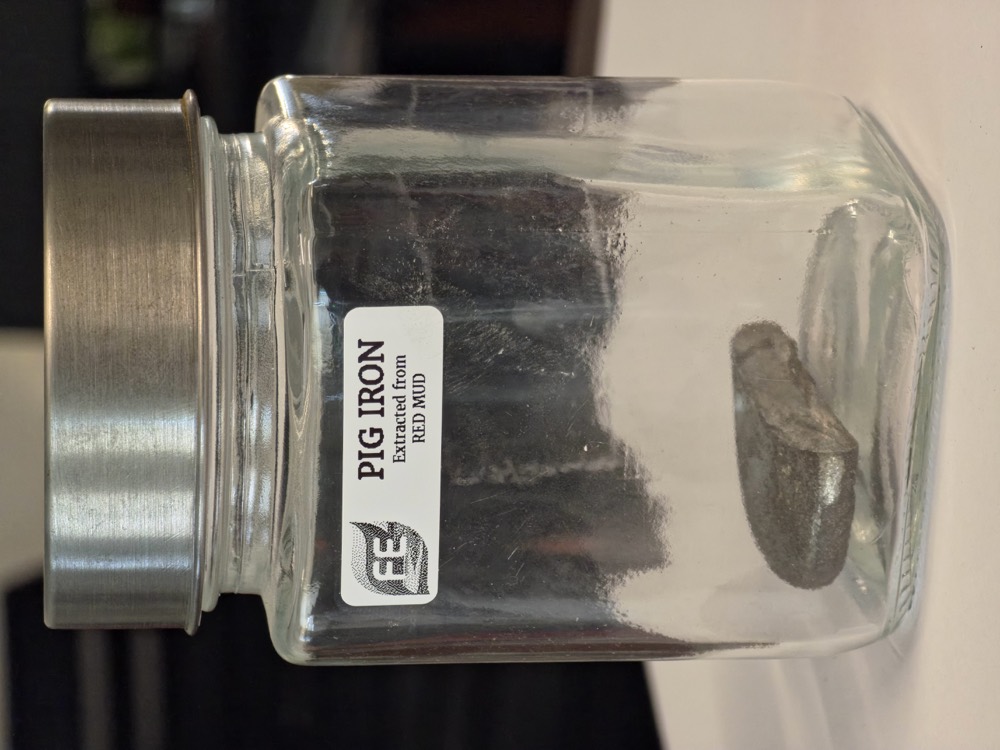
Similarly, in the aluminium industry, for every ton of aluminium produced, 2.5 to 3 tons of red mud residue are generated. Red mud is rich in valuable minerals, containing about 30% to 60% ferric oxide (Fe₂O₃), 16% to 19% aluminium oxide (Al₂O₃), and 4% to 16% titanium dioxide (TiO₂).
Despite the availability of such valuable minerals, these waste streams have largely remained unprocessed, as there was no sustainable technology to recover them. The sludges have accumulated in ponds since the inception of these plants, degrading the soil and groundwater around the storage sites.
At First ESCO we apply extractive metallurgy, combining pyrometallurgical processes (high-temperature roasting and smelting) with hydrometallurgical processes (leaching, separation and precipitation) to recover value from industrial waste. Patents are being filed for these processes. The instrument below illustrates the principle. Select a waste stream above the drawing to see how its route and recovered products change. In every case, the goal is the same: the moment the materials separate, waste becomes product.
Hover or tap any component to read its role. One stream at a time: pick a waste above the drawing and watch its valuables come out sorted.
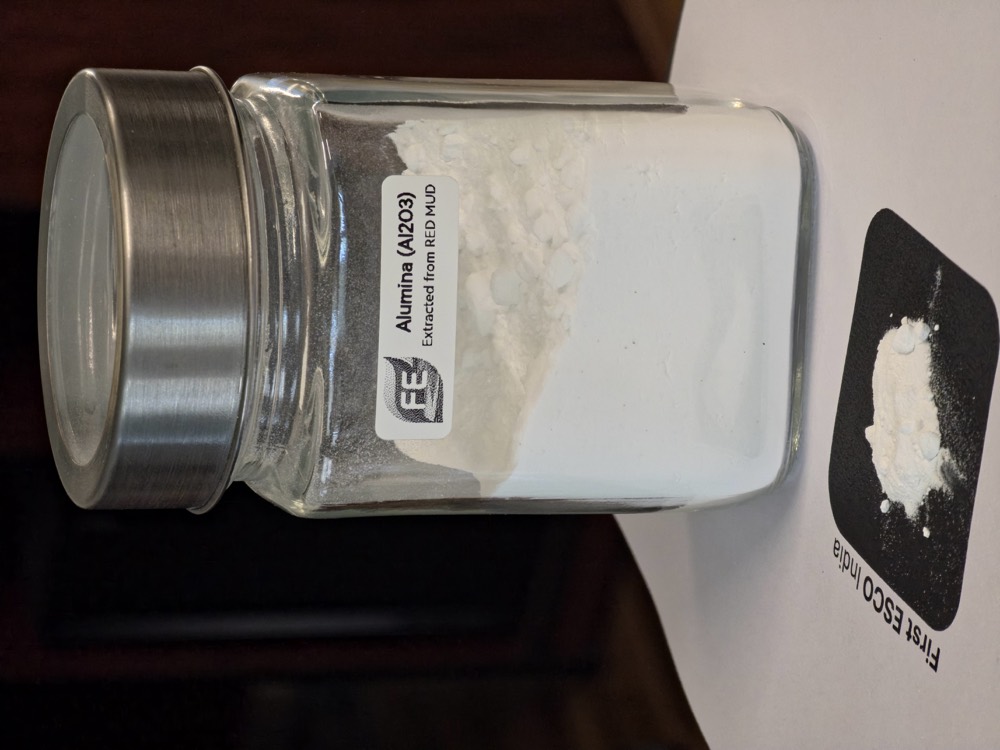
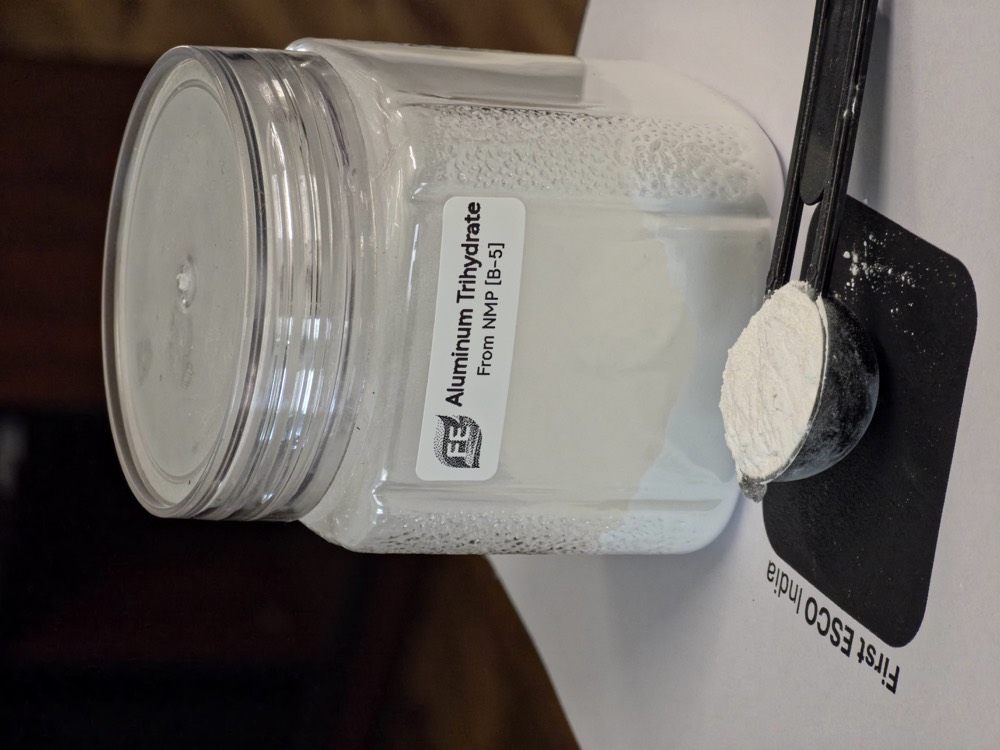
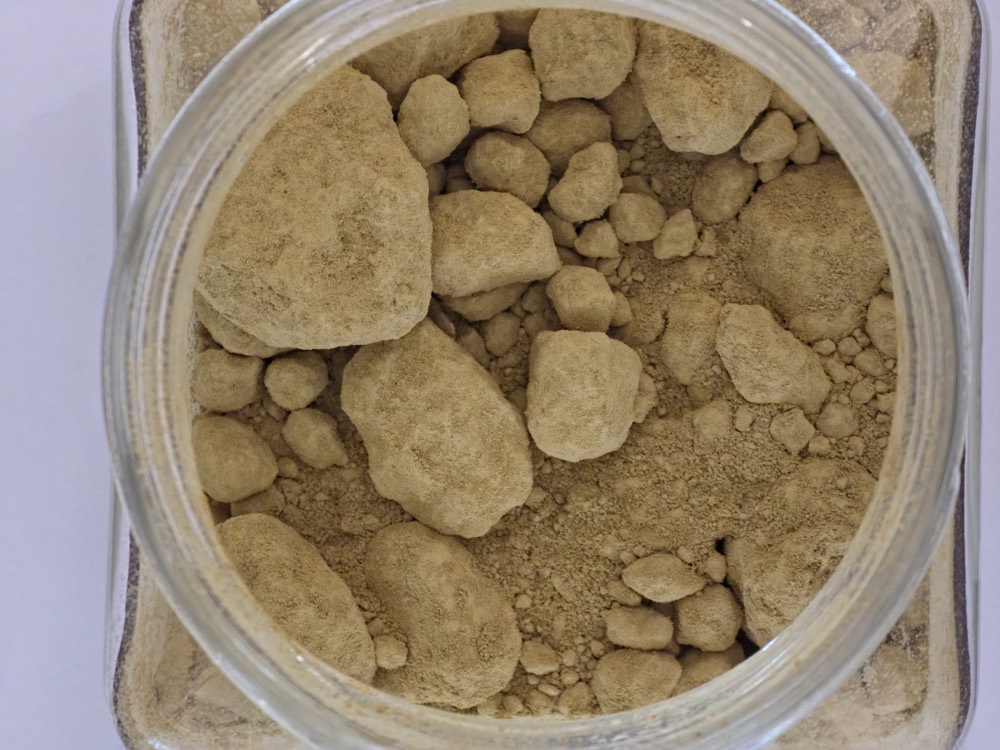
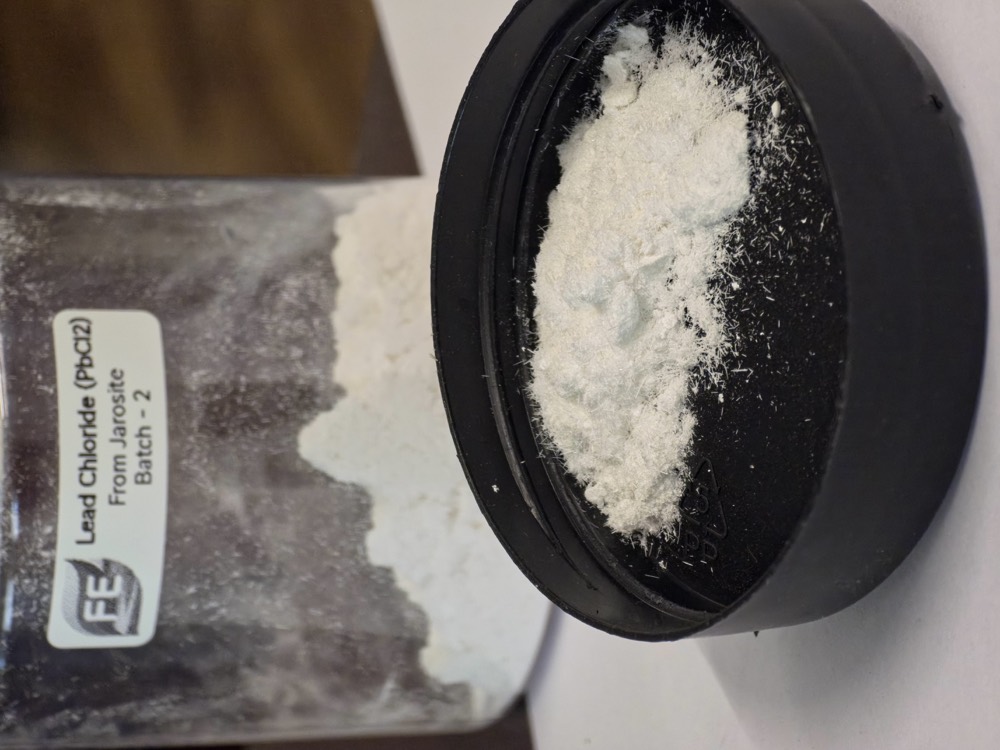
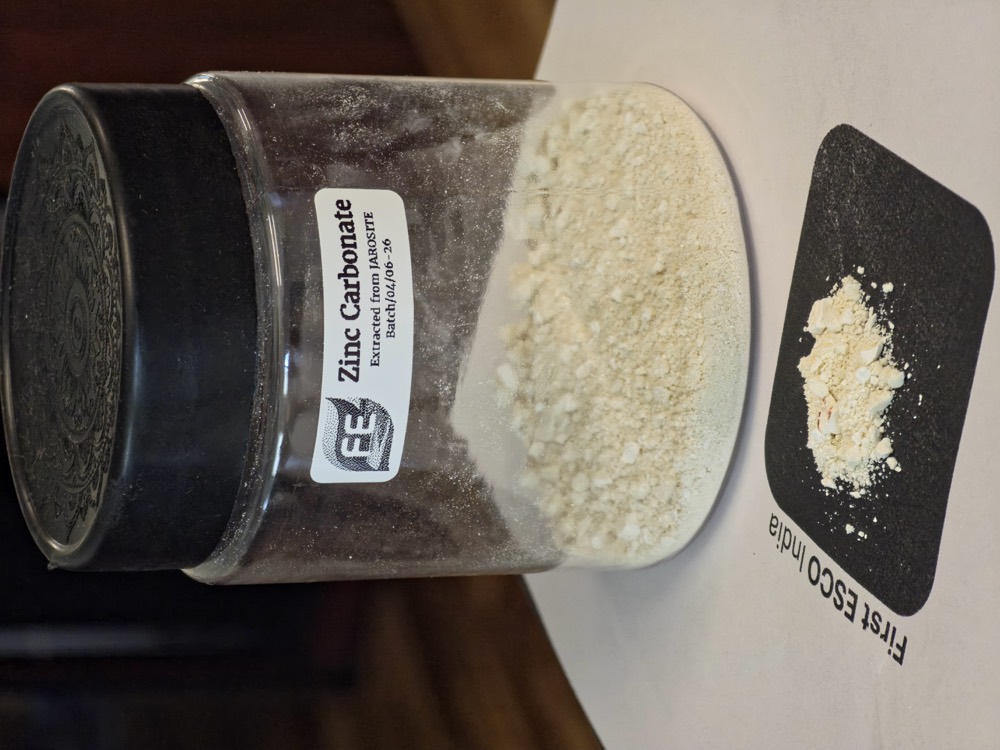
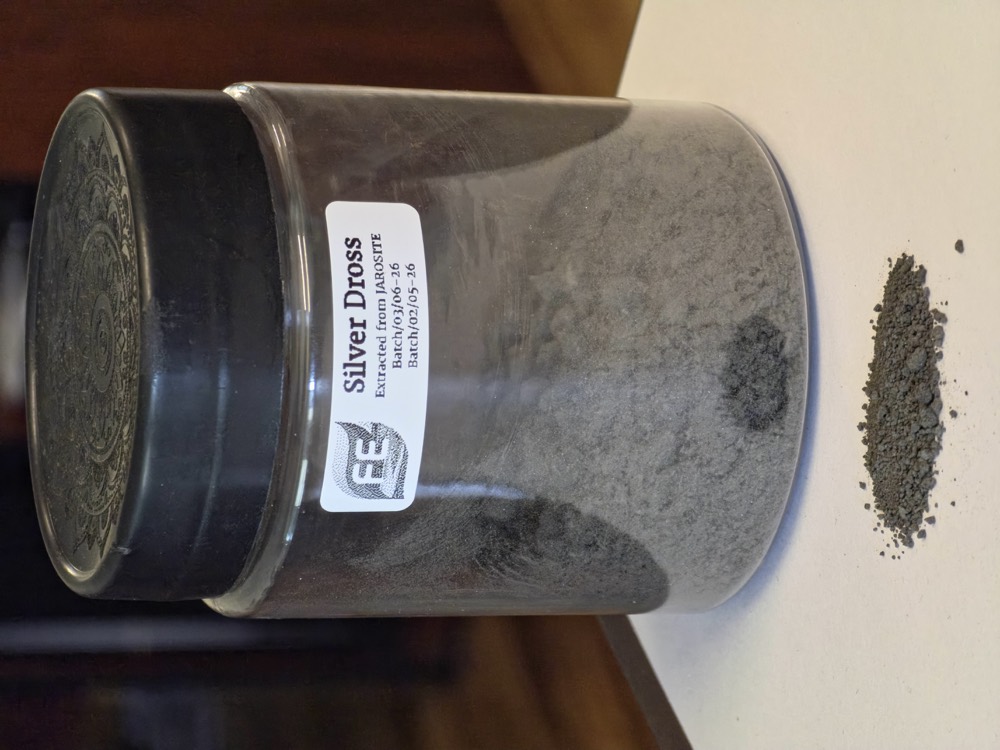
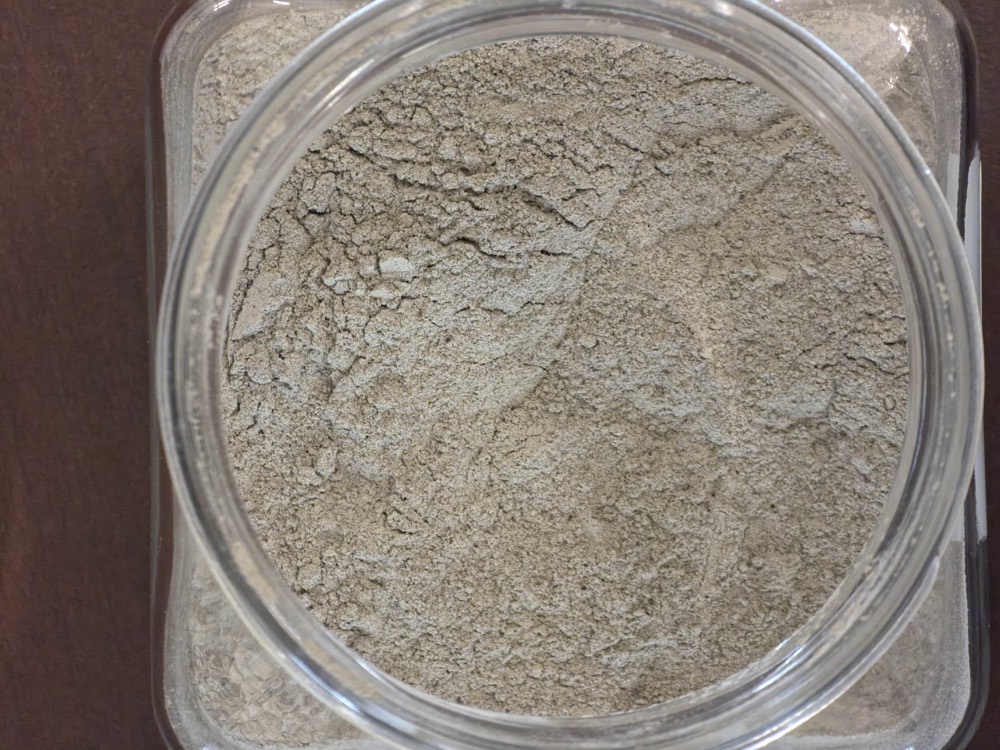
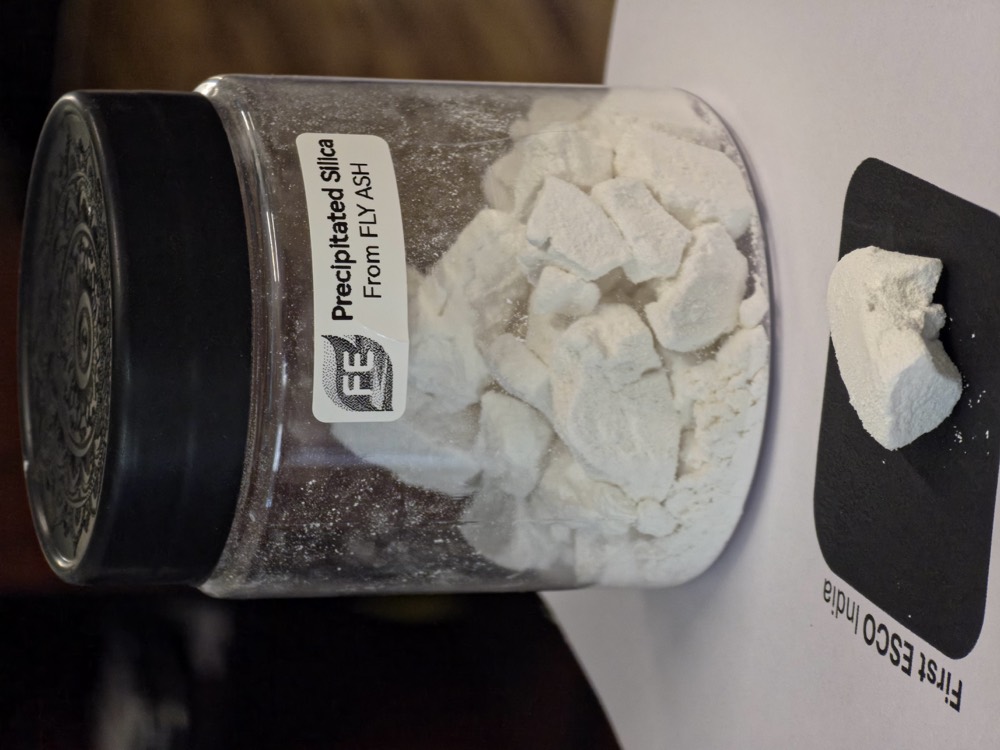
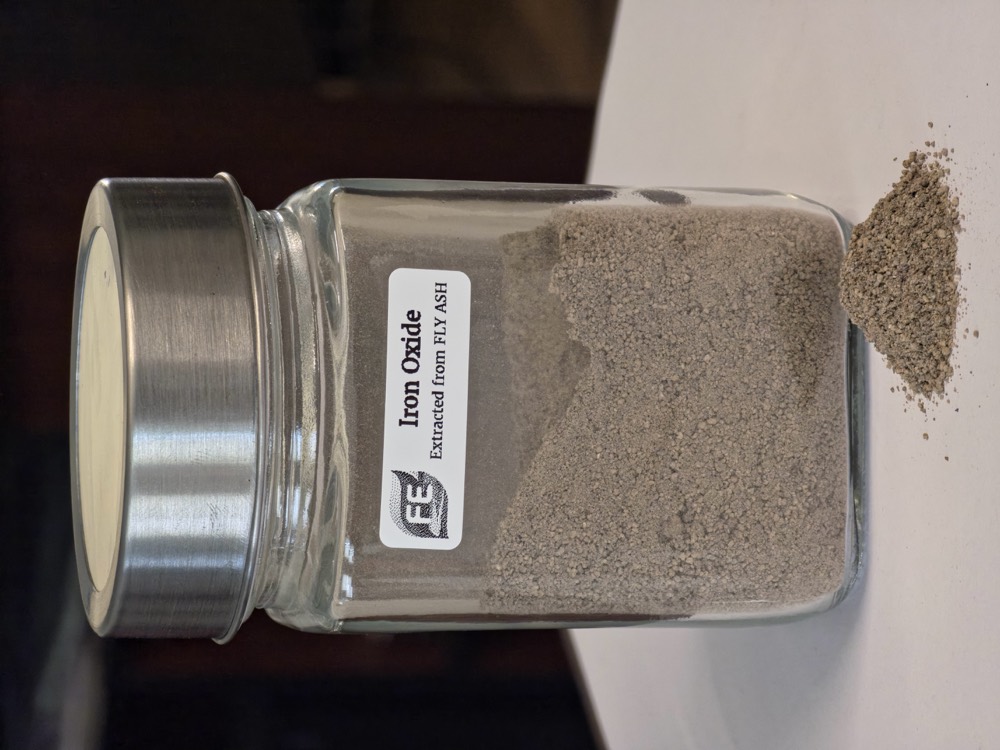
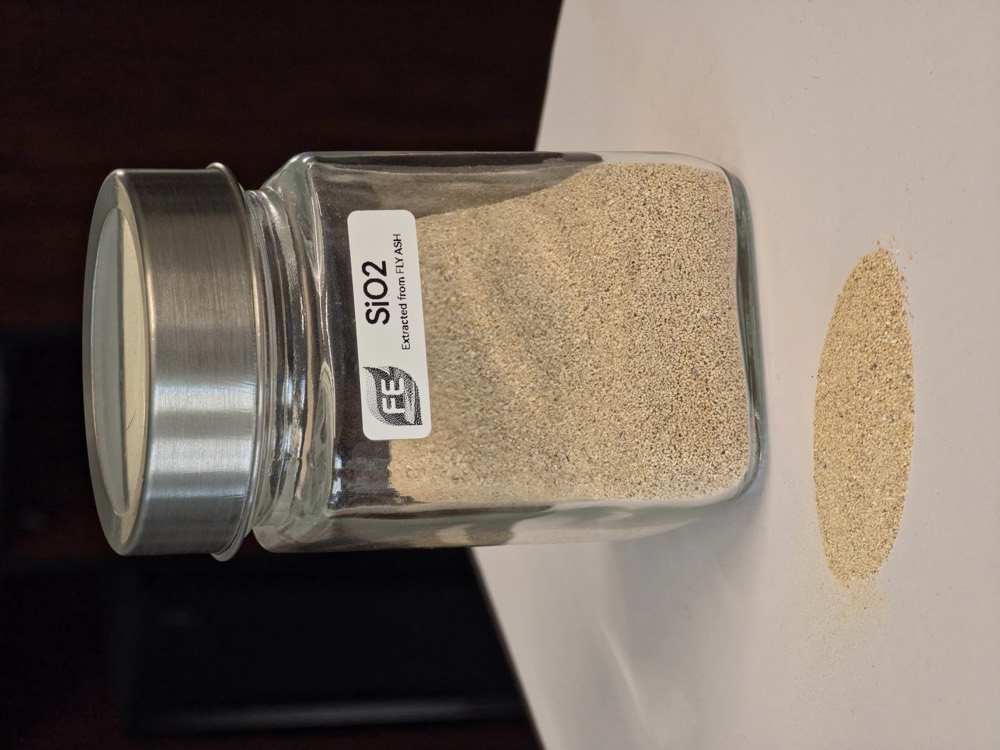
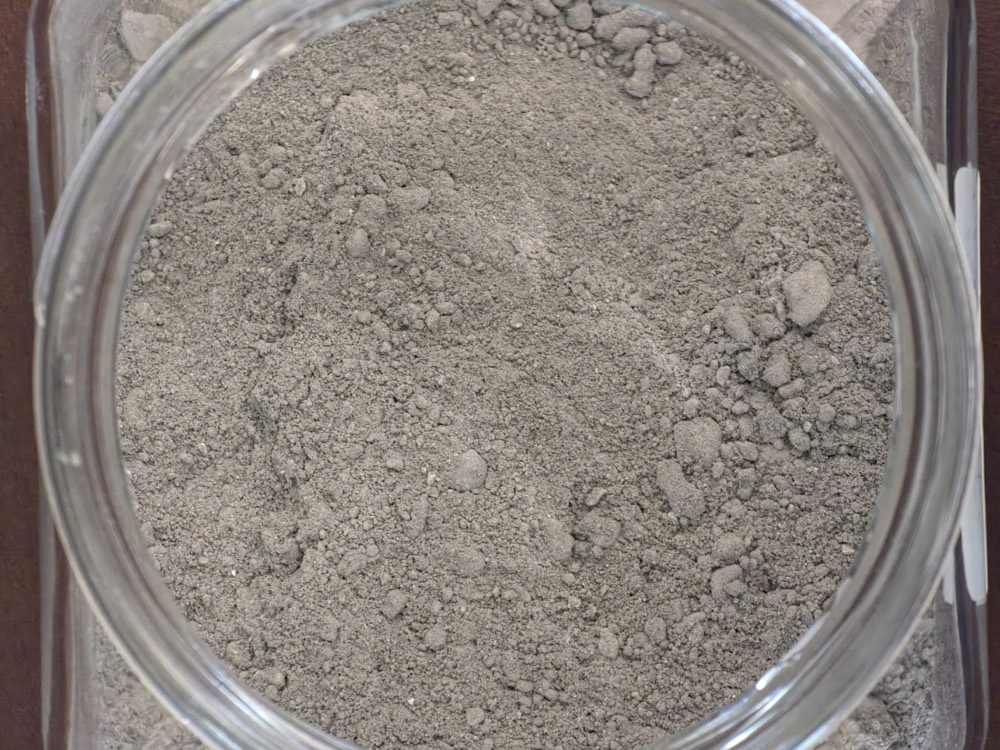
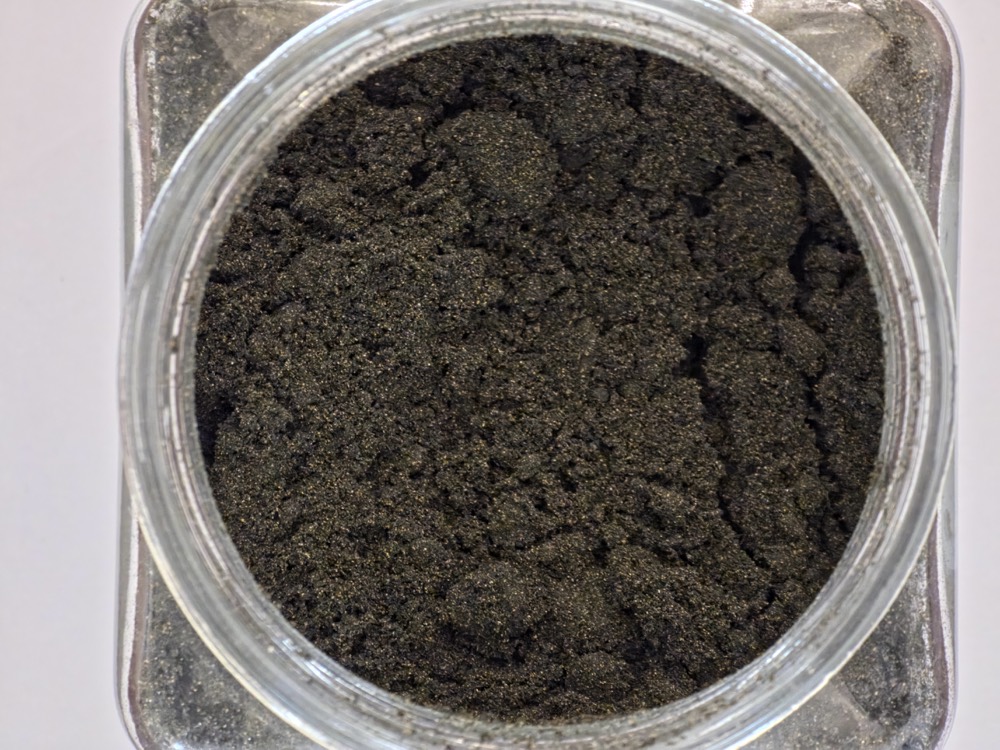
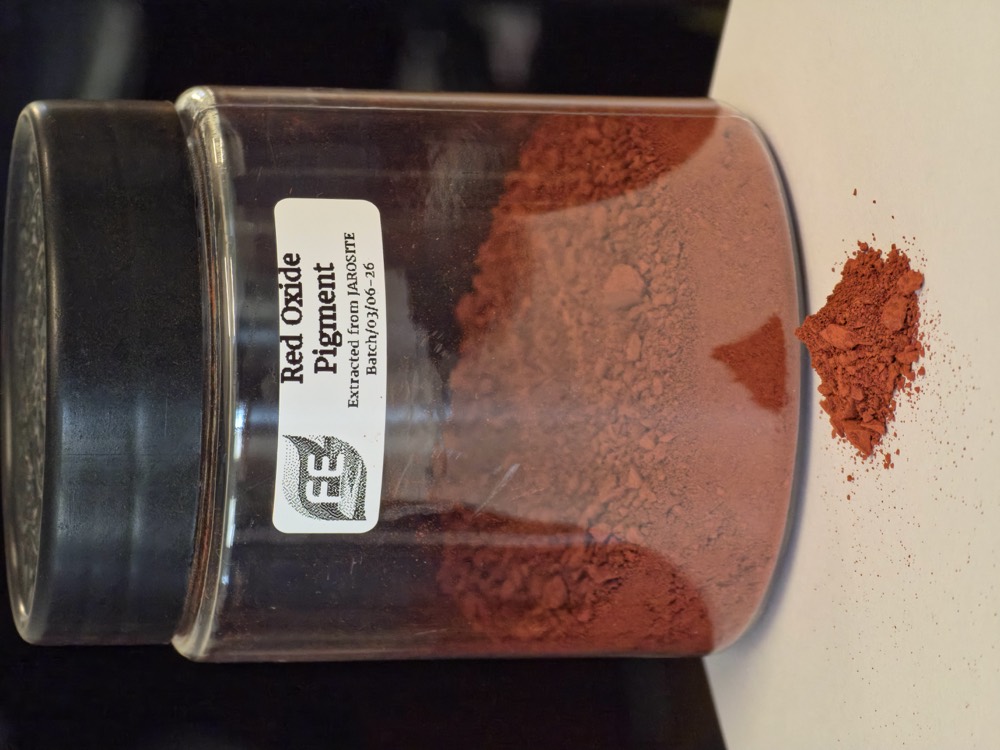
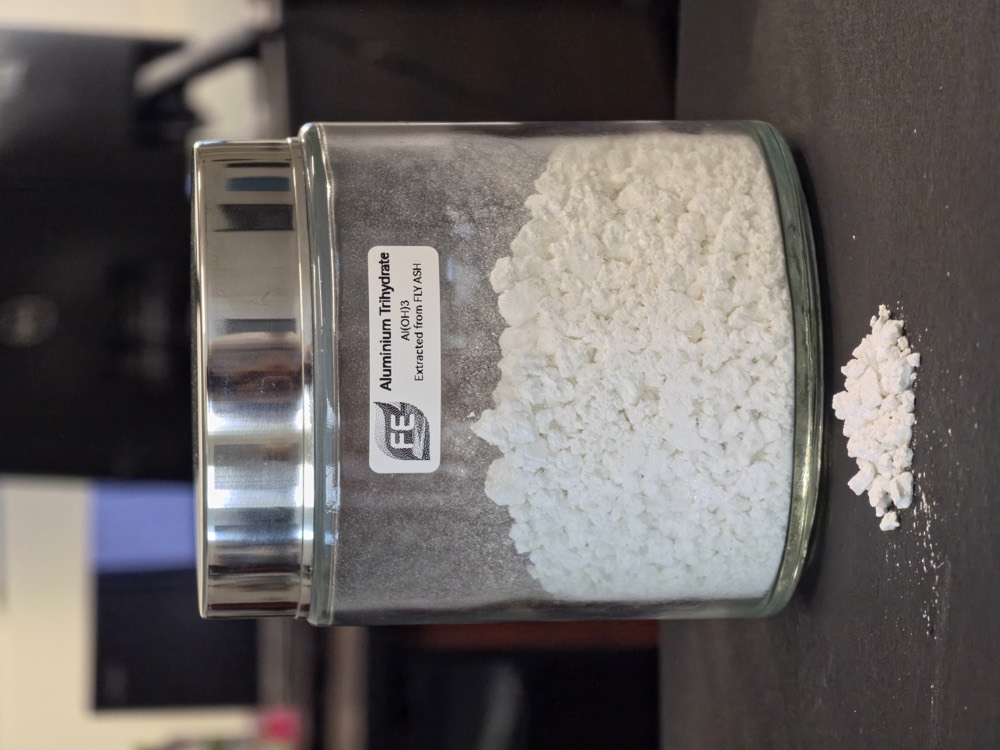
Every specimen below was recovered in our laboratory from real industrial waste and photographed as extracted. Select a waste stream to view the materials recovered from it.
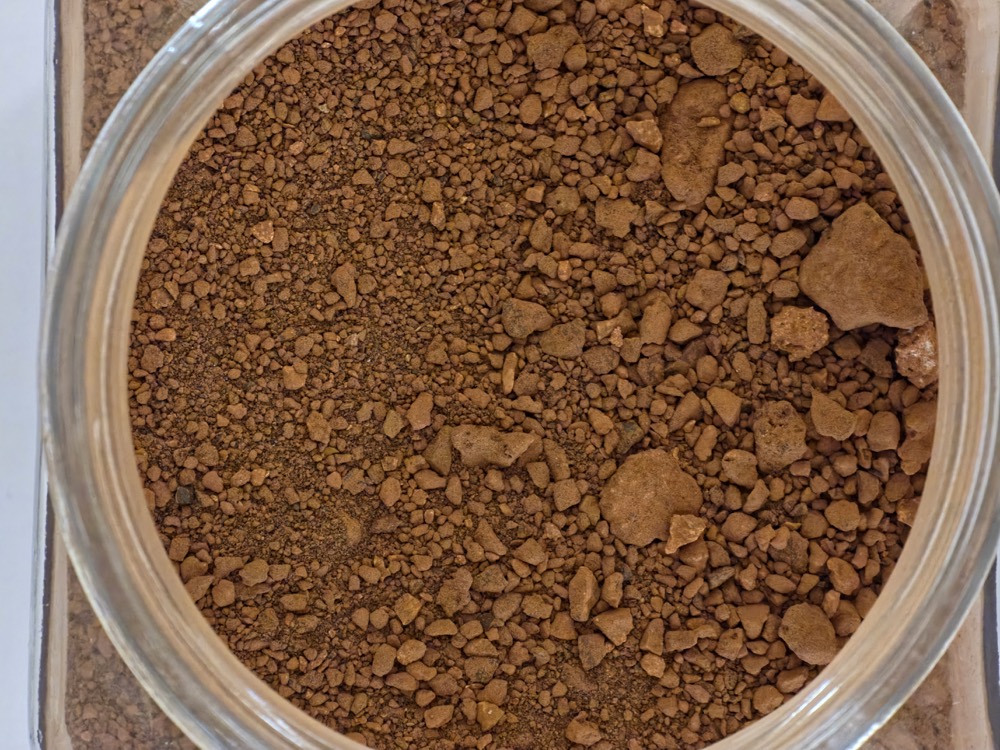
30–60% Fe₂O₃ · 16–19% Al₂O₃ · 4–16% TiO₂. Generated at 2.5–3 t per ton of aluminium.
Iron-sulphate residue from zinc refining, carrying lead, zinc and silver values.
Fine alumino-silicate ash carrying iron, aluminium and rare-earth values.
Aluminium-rich residue processed for alumina chemistry.
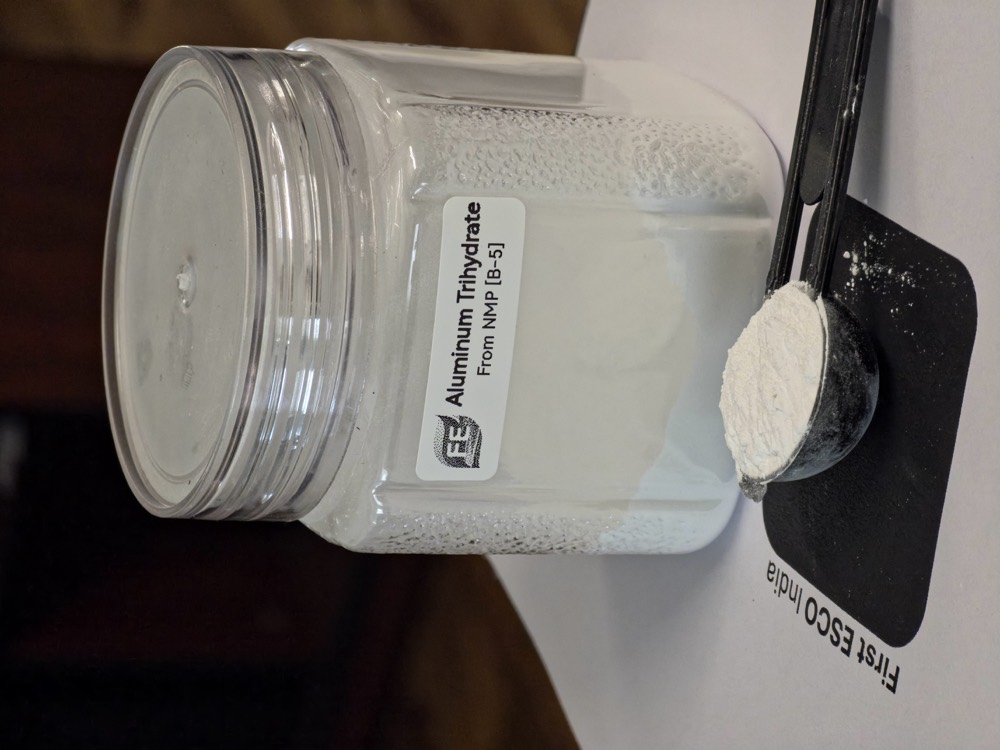
15–22% TiO₂ · 30–38% FeO. One ton generated per ton of titanium dioxide produced.
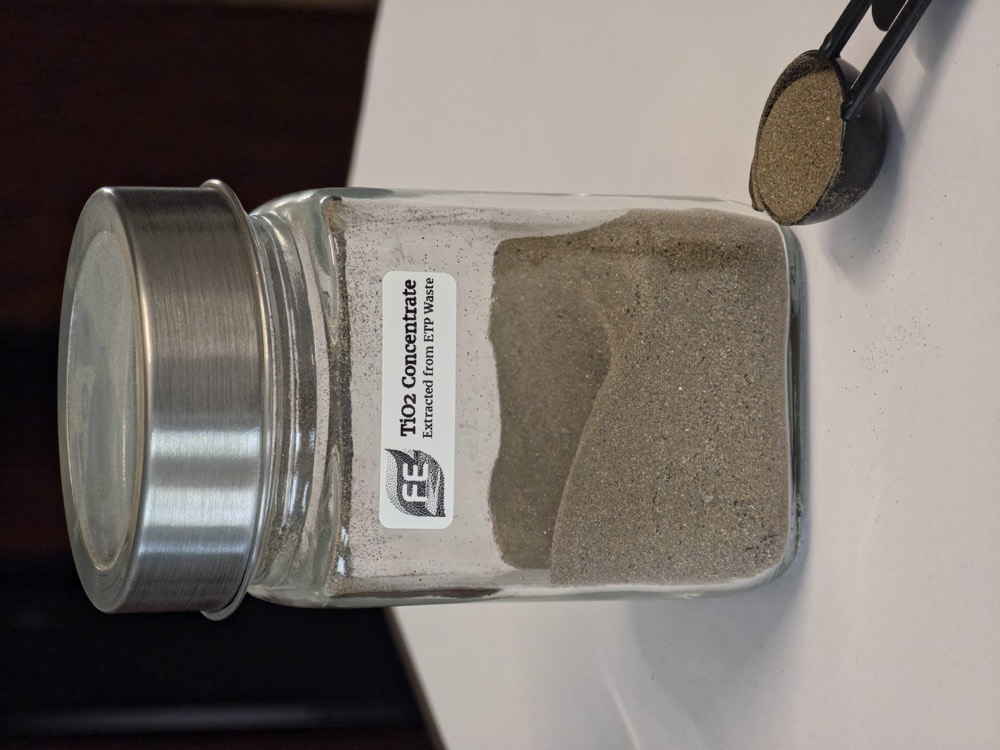
Every valuable shown above has been produced in our laboratory from real waste — that is the definition of Technology Readiness Level 4: proof of concept validated at lab scale. The path from here is engineering and scale, not discovery.
Multiple valuables recovered from a range of industrial waste streams. Extraction flowsheets established; patents in filing for the processes.
Pilot projects at the waste source, designed to prove industrial conditions and generate revenue alongside data.
Full valorisation plants integrated with industrial partners, turning legacy waste into recovered resources.
We invite you to explore investment opportunities: valorisation projects offer phenomenal returns while remediating legacy environmental damage. Estimate the numbers for your stream with our revenue estimator.